
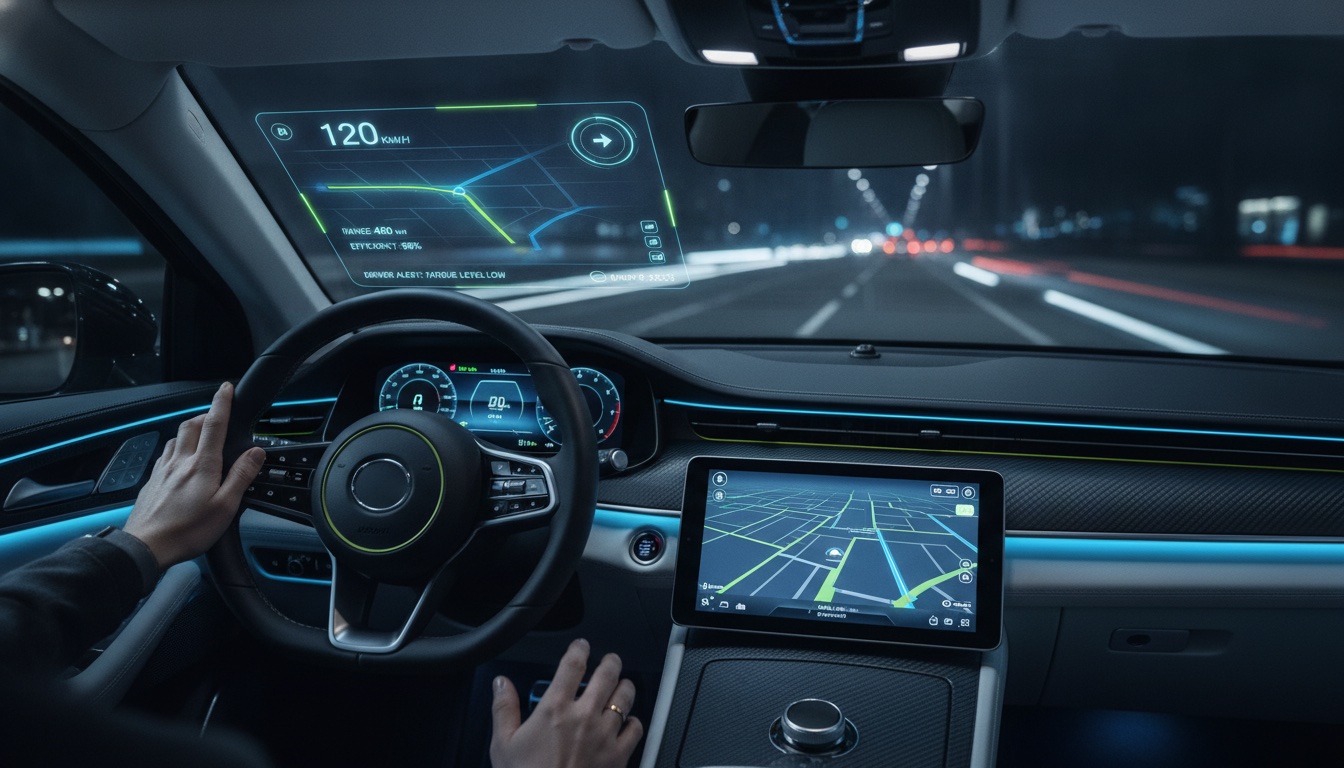
Automotive Software
Development Company
We build connected car and telematics platforms, ADAS and computer-vision data pipelines, predictive maintenance systems, and dealer management integrations engineered to the reliability bar a moving vehicle actually requires — not a demo that only works in the showroom.
What Is Automotive Software Development?
Automotive software development is the engineering of the software layer that sits on top of (and increasingly defines) a vehicle program — connected car and telematics platforms, ADAS and computer-vision systems, predictive maintenance built on IoT sensor data, in-vehicle infotainment and AI voice assistants, EV and battery management software, and the dealer management (DMS) systems that run the sales and service side of the business. It spans cloud platforms, mobile apps, and the data pipelines that connect them to a moving vehicle.
Automotive Software Services, End to End
From a focused telematics dashboard to a full connected-vehicle platform with ADAS data pipelines and predictive maintenance, we scope and build the exact system your program needs.
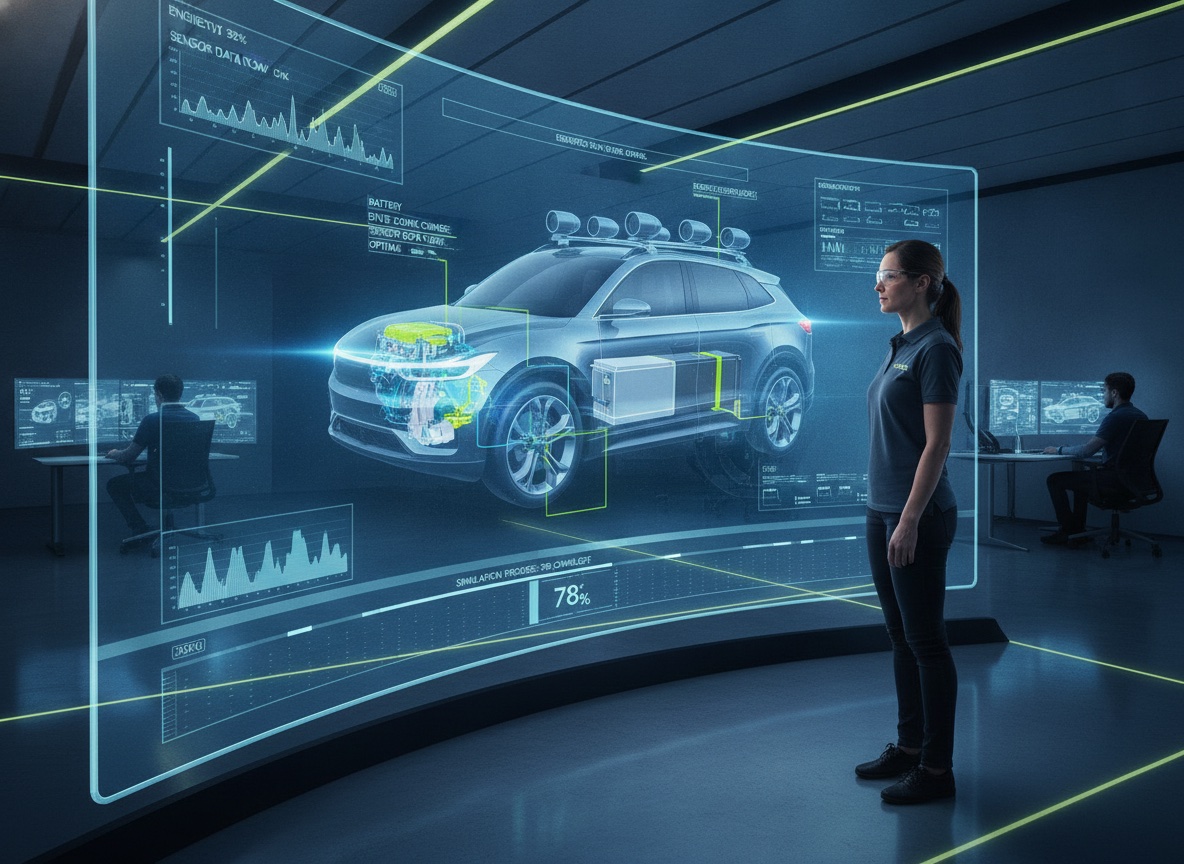
Real-time vehicle telemetry ingestion from OBD-II devices and CAN bus gateways, GPS geofencing, trip replay, and driver-behavior scoring surfaced in cloud dashboards for fleet operators.
Camera and sensor-fusion data pipelines, object and lane-detection models, and computer-vision-based driver monitoring for fatigue and distraction — the software layer around ADAS hardware.
Machine learning models trained on engine, brake, and battery telemetry that flag developing faults before they cause an on-road failure, tied into maintenance scheduling and parts inventory.
State-of-charge estimation, smart charging schedules, thermal monitoring dashboards, and charging-network integration for electric fleets and consumer EV platforms.
Voice-activated navigation, climate, and media control powered by natural language processing, plus personalization profiles that adjust the cabin per driver automatically.
Connecting new customer-facing or fleet software to existing DMS, CRM, and inventory systems — modernizing the dealership stack without a full rip-and-replace.
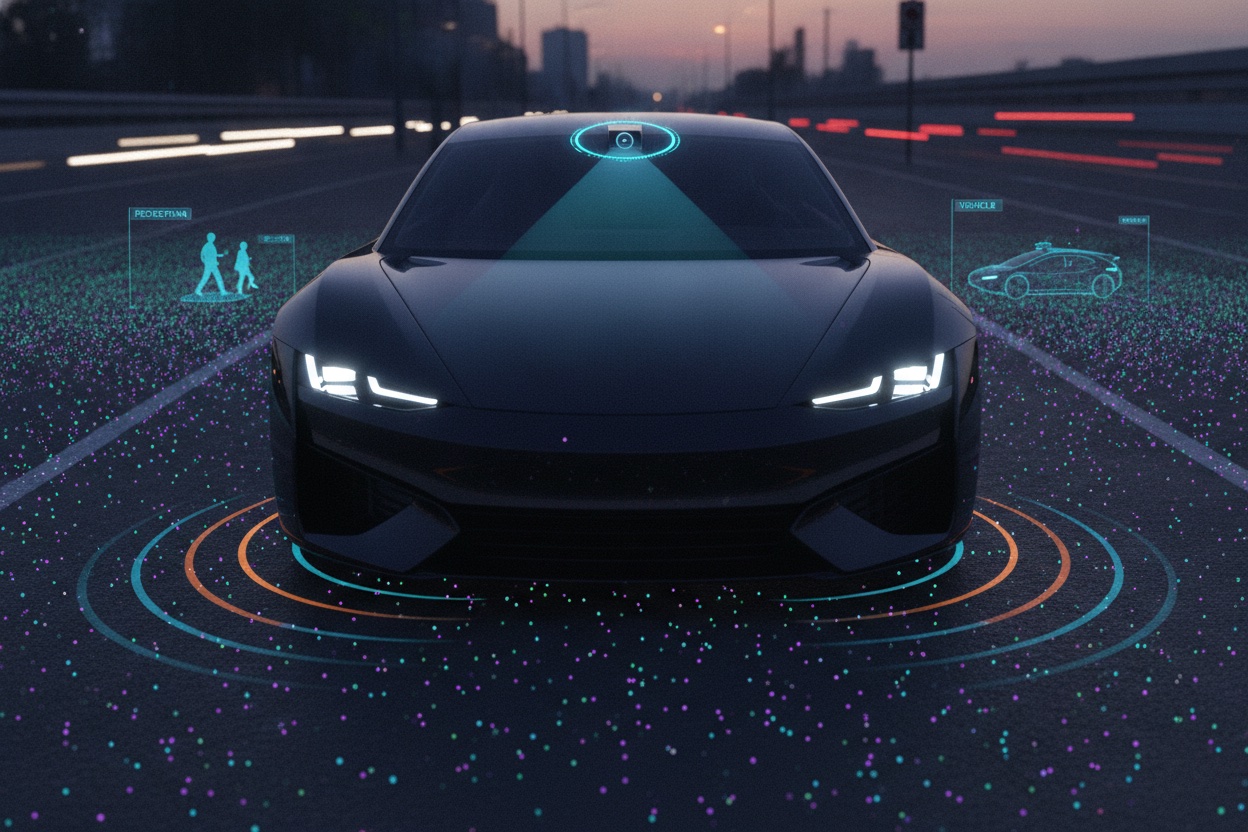
The Software Layer Behind Advanced Driver Assistance
ADAS is only as good as the data pipeline and models processing what the sensors see — here's where our engineering depth actually lives.
Camera, radar, and lidar sensor-fusion pipelines that turn raw signals into usable object and lane data.
Computer-vision models for real-time hazard detection, pedestrian recognition, and driver-monitoring fatigue alerts.
Safety-conscious system architecture, informed by ISO 26262 and ISO/SAE 21434 practices, from the first design decision.
Edge inference pipelines that keep latency-sensitive detection running on-device, not round-tripped to the cloud.
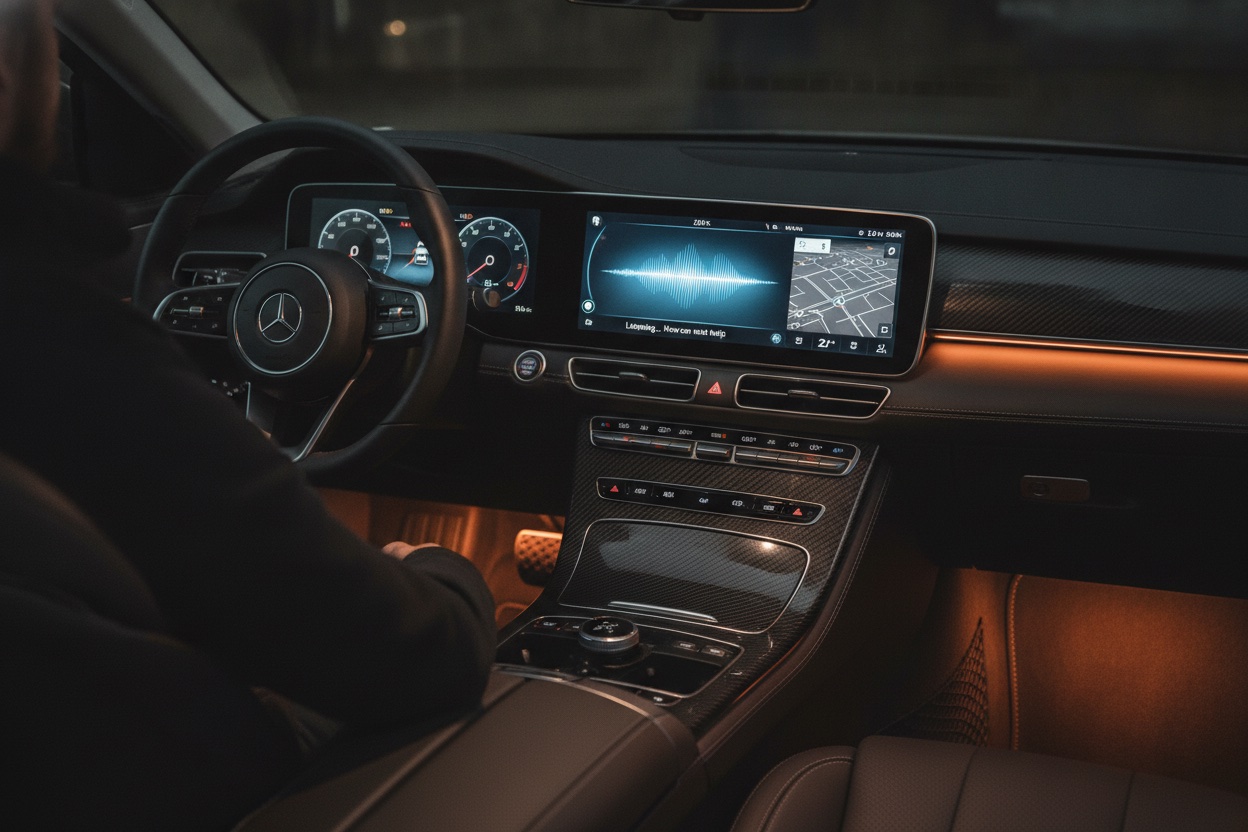
AI Is Rewriting What “Automotive Software” Means
From predictive maintenance to computer-vision driver monitoring, AI has moved from a differentiator to a baseline expectation across connected vehicle programs. Here's where we apply it in the platforms we build.
Predictive Maintenance
AI models flag developing brake, battery, or engine faults using sensor telemetry before they cause a breakdown.
ADAS & Hazard Detection
Computer vision and sensor fusion — camera, radar, lidar — for real-time lane-departure and collision-hazard detection.
Computer-Vision Driver Monitoring
Cabin-camera pipelines detect driver fatigue and distraction through facial and gaze analysis, not a simple seatbelt sensor.
In-Vehicle Voice Assistants
Natural language processing gives drivers hands-free control of navigation, climate, and media without touching a screen.
Personalization Profiles
Seat position, climate, and media preferences applied automatically the moment a recognized driver gets in.
Connected Vehicle (V2X) Data
Vehicle-to-infrastructure signal exchange feeding fleet routing and traffic-aware navigation decisions in real time.
Fleet Operations, Built for Real-Time Decisions
A fleet dashboard is only useful if the data behind it is current to the second — here's what that requires under the hood.
Sub-second latency vehicle location, speed, and route-replay tracking across an entire fleet.
GPS geofencing with automated alerts the moment a vehicle enters or leaves an assigned zone.
Driver safety scorecards built from harsh-braking, speeding, and idle-time telemetry.
Remote diagnostics and DTC fault-code triage surfaced to fleet managers before a driver notices a problem.
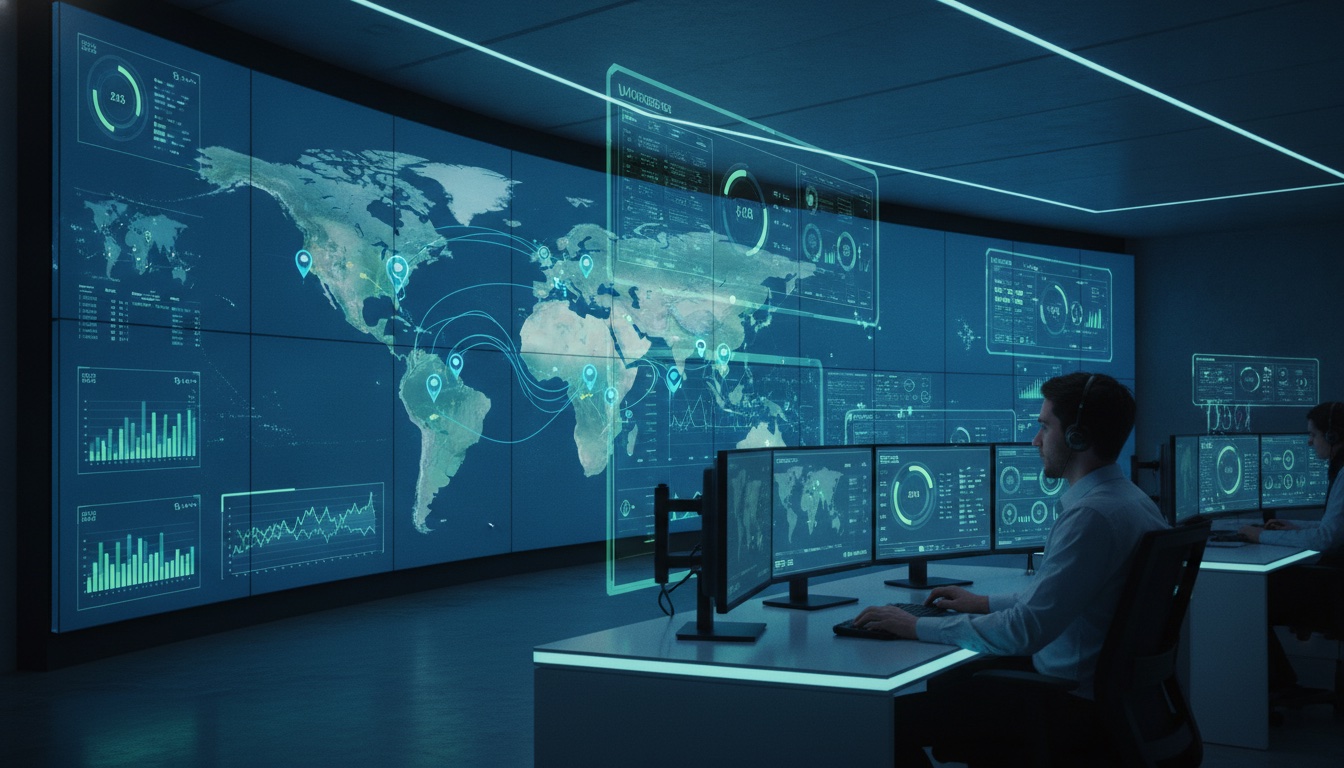
Real Apptechies Engineering, Across Industries
We haven't shipped a public automotive-industry case study yet — but the real-time tracking, sensor-driven data, and safety-conscious engineering behind these platforms is exactly what a connected-vehicle program needs.
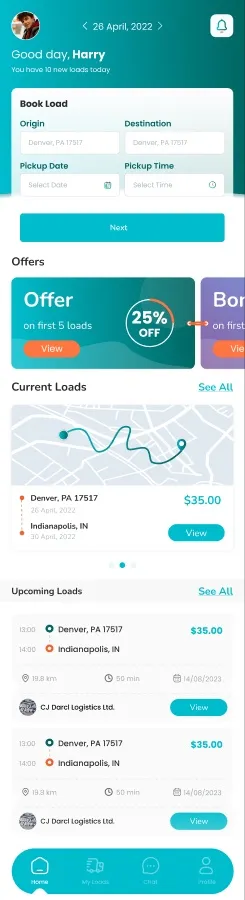
A logistics marketplace connecting shippers and businesses with reliable, secure cargo carriers — real-time booking, tracking, and carrier discovery.
Digital engineering support for Piper Aircraft, a general aviation manufacturer, spanning its aircraft showcase and owner-facing digital experience.

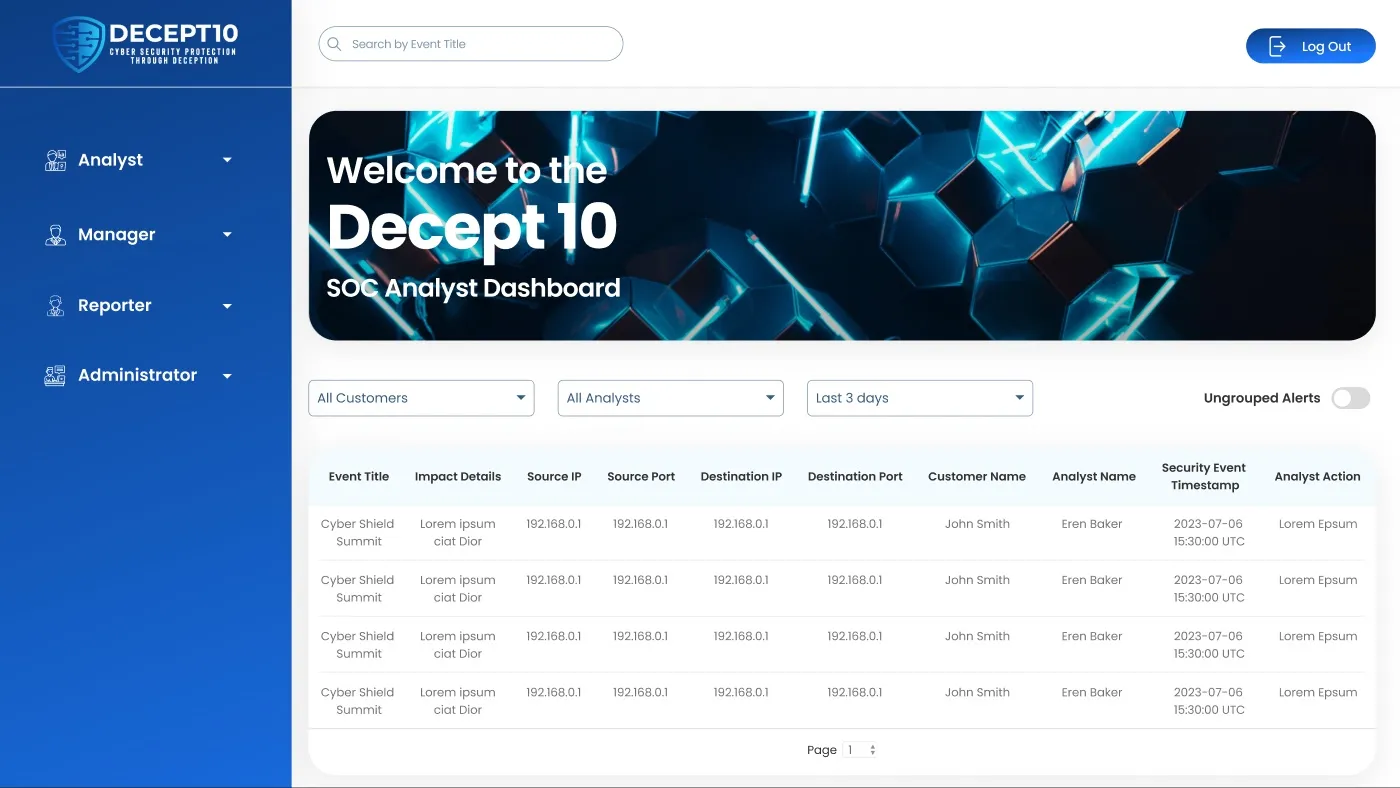
A SOC analyst dashboard for cyber security protection through deception — real-time alert triage, customer and analyst management, and role-based incident workflows.
Real Feedback From Real Clients
“Movesy has completely transformed the moving and delivery industry thanks to Apptechies. The GPS tracking, dynamic pricing, and route optimisation they built has made our operations incredibly efficient.”
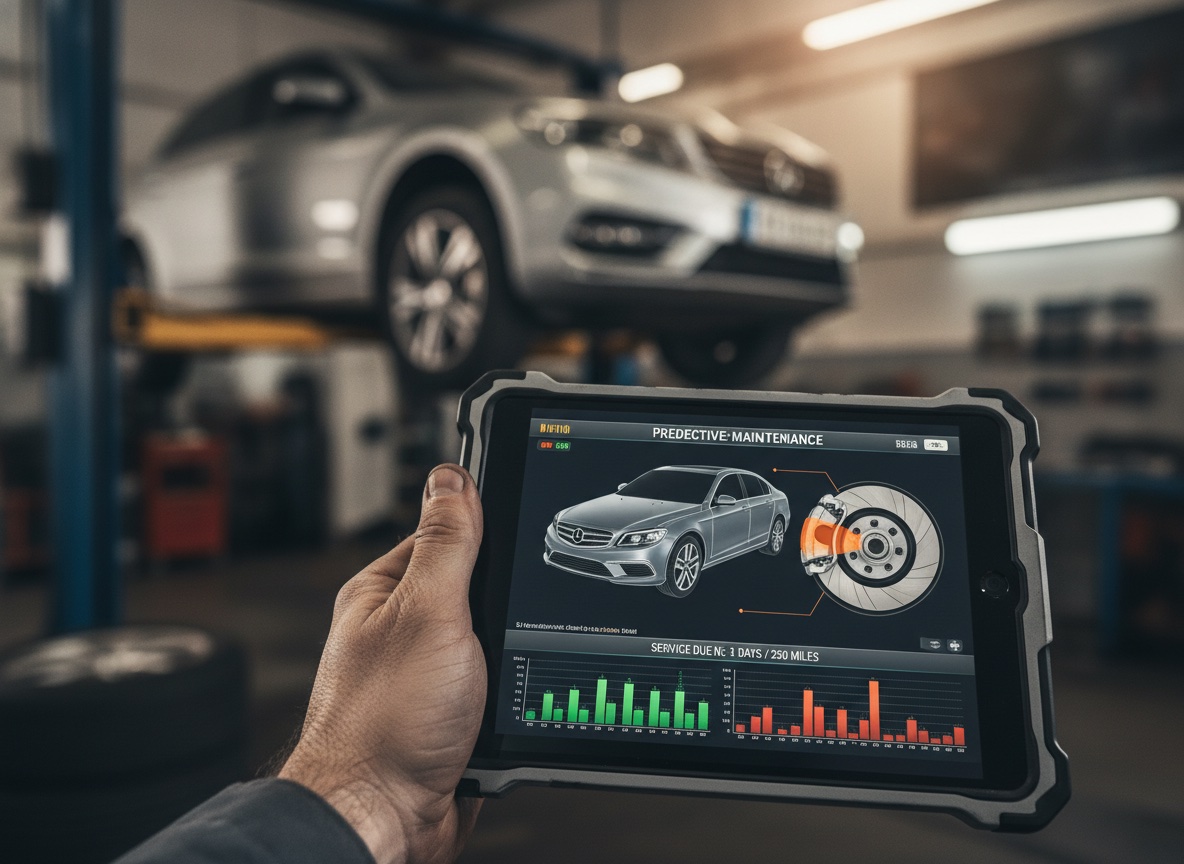
Running a Fleet? Catch Failures Before They Happen, Not After.
Predictive maintenance models trained on your own sensor and service history — flagging brake, battery, and engine wear early enough to schedule around it, not react to it.
A Realistic Development Timeline
We run every automotive build through the same structured process as the rest of our work — described in full on our How We Work page.
Discovery & Strategy
Mapping your fleet, existing telematics hardware, and integration points before scoping a single feature.
Architecture & Planning
Data architecture for sensor ingestion and safety-conscious system design decided upfront, not bolted on later.
UX & UI Design
Interfaces built for a dashboard glance at 60mph or a fleet manager scanning 500 vehicles at once.
Agile Development
Working software in testable increments, reviewed against real telemetry and edge cases as we go.
Quality Assurance
Tested against dropped-connection scenarios and real sensor data, not just the happy path.
Launch & Deployment
Rollout planned around your fleet or dealership operations, not our sprint calendar.
Support & Growth
Monitoring, iteration, and support that continues as your fleet and feature set grow.
Proven, Production-Grade Technology
Related Services & Ways to Work With Us
IoT App Development
Sensor networks for telematics and predictive maintenance.
Learn moreComputer Vision Development
ADAS, object detection, and driver-monitoring models.
Learn moreMachine Learning Development
Predictive maintenance and demand-forecasting models.
Learn moreData Analytics Services
Turn fleet and vehicle telemetry into decisions.
Learn moreLogistics Software Development
Fleet, dispatch, and delivery coordination platforms.
Learn moreElectric Vehicle Software
EV charging, battery, and range-management software.
Learn moreCustom Software Development
Purpose-built platforms for how your program actually runs.
Learn moreCloud Services
Scalable infrastructure for vehicle telemetry at fleet scale.
Learn moreMobile App Development
Driver, technician, and fleet-manager companion apps.
Learn moreCustom API Development
Connect telematics hardware, DMS, and third-party data.
Learn moreHire AI Developers
Dedicated engineers for predictive-maintenance models.
Learn moreHire Full-Stack Developers
End-to-end engineering talent, flexibly engaged.
Learn moreLatest Insights & Engineering Notes
How to Hire React Developers: A Practical Guide
How to Choose an Education App Development Company
How to Choose an AI Model for Production
Questions About Automotive Software Development
Answers to the questions fleet operators, dealerships, and mobility teams ask us most — and a direct line to our team if you don't see yours.
It spans connected car and telematics platforms, ADAS and computer-vision systems, predictive maintenance built on IoT sensor data, in-vehicle infotainment and AI voice assistants, EV and battery management software, and dealer management system (DMS) integration.
A focused telematics dashboard or dealer-integration project typically runs $60,000–$140,000, while a full connected-vehicle platform with ADAS data pipelines and predictive maintenance can run $200,000–$500,000+ depending on scope.
A focused telematics or fleet dashboard MVP typically takes 12–16 weeks. A full connected-vehicle platform with ADAS integration and predictive maintenance modeling usually runs 7–10 months.
Yes. We regularly ingest data from OBD-II dongles, CAN bus gateways, and third-party telematics control units, normalizing raw vehicle signals into a usable data layer rather than requiring new hardware.
We build the software layer around ADAS: camera and sensor data pipelines, computer-vision models for object and driver-monitoring detection, and the fleet-facing dashboards that consume that data. For automotive-grade embedded firmware certification, we partner with or defer to specialized hardware-safety vendors.
Yes. Our models are trained on your own sensor and maintenance-history data — engine, brake, and battery telemetry — to flag developing faults before they cause a breakdown, rather than relying on a generic fixed-interval schedule.
Yes. We regularly integrate new platforms with existing DMS, CRM, and inventory systems rather than requiring a dealership to replace its core systems to get modern software on top.
Start Your Automotive Software Project
Tell us about your fleet, dealership, or connected-vehicle idea — we'll respond within 24 hours with real next steps, not a sales script.