

Insurance Software
Development Company
We build claims adjudication engines, policyholder self-service portals, broker management systems, and automated underwriting pipelines engineered for complex rating tables and regulatory compliance.
Automated Claims Processing
AI damage estimation and straight-through claims adjudication.
Policyholder Digital Portal
Self-service FNOL, endorsement changes, and billing integration.
Actuarial & Underwriting APIs
Sub-second risk scoring pipelines connected to core PAS systems.
Insurance Software Development Services
From a focused broker portal to a full policy administration platform, we scope and build the specific insurance software your business needs, connected to the systems you already run.
Policy Administration
The system of record for a policy through its whole lifecycle, from quote to renewal or cancellation.

From First Notice of Loss to Resolution, With a Human Still Deciding
Software can make a claim faster to file and easier to review. It should not be the thing that approves the payout. This is how we split that work.
Structured FNOL Intake
Photos, policy lookup, and incident details captured in a structured form the adjuster receives complete, not a phone note transcribed later.
AI-Assisted Triage, Not Auto-Approval
Computer vision can flag likely severity and route a claim to the right queue faster. The adjuster still reviews the claim and makes the decision.
Adjuster Review Queue & Audit Trail
Every claim keeps a timestamped record of who reviewed it, what changed, and why, so the file holds up under audit.
Handoff to Your Payment Systems
Once a claim is approved, we integrate the handoff to your existing payment or core system. We do not build a parallel disbursement rail that bypasses your controls.
Data an Underwriter Can Actually Use
A submission is only as fast to review as the data behind it is organized. This is the data layer we build underneath your underwriting workflow.
If you are not yet sure whether a rules-based or model-assisted approach fits your risk data, start with AI consulting services to evaluate the data and the evaluation plan before committing engineering time.
One Policy Data Model
Policy, coverage, and endorsement data structured consistently across products, so a renewal or an audit does not require reconciling three different formats.
Underwriting Rules Engine Support
Configurable rules and risk scoring that speed up an underwriter’s review. The actuarial sign-off and pricing decision stay with your underwriting team.
Third-Party Data Integration
Credit, driving record, and property data pulled in from the providers you already use, mapped into one submission view.
OCR-Assisted Document Intake
Scanned applications and supporting documents are classified and key fields extracted automatically, with a human reviewing anything the model flags as uncertain.

Real Engineering Work, Not an Insurance Case Study Yet
We have not shipped a named insurance platform yet. These are real, featured Apptechies projects instead, chosen because they involve the same kind of work an insurance platform needs: real-time operational data, security-sensitive case management, and complex third-party integrations.
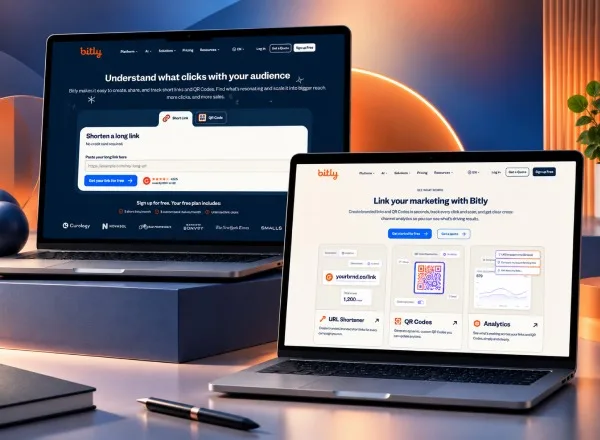
Engineering support for the widely used link-management platform — branded short links, QR code generation, and click analytics used by marketers and enterprises worldwide.
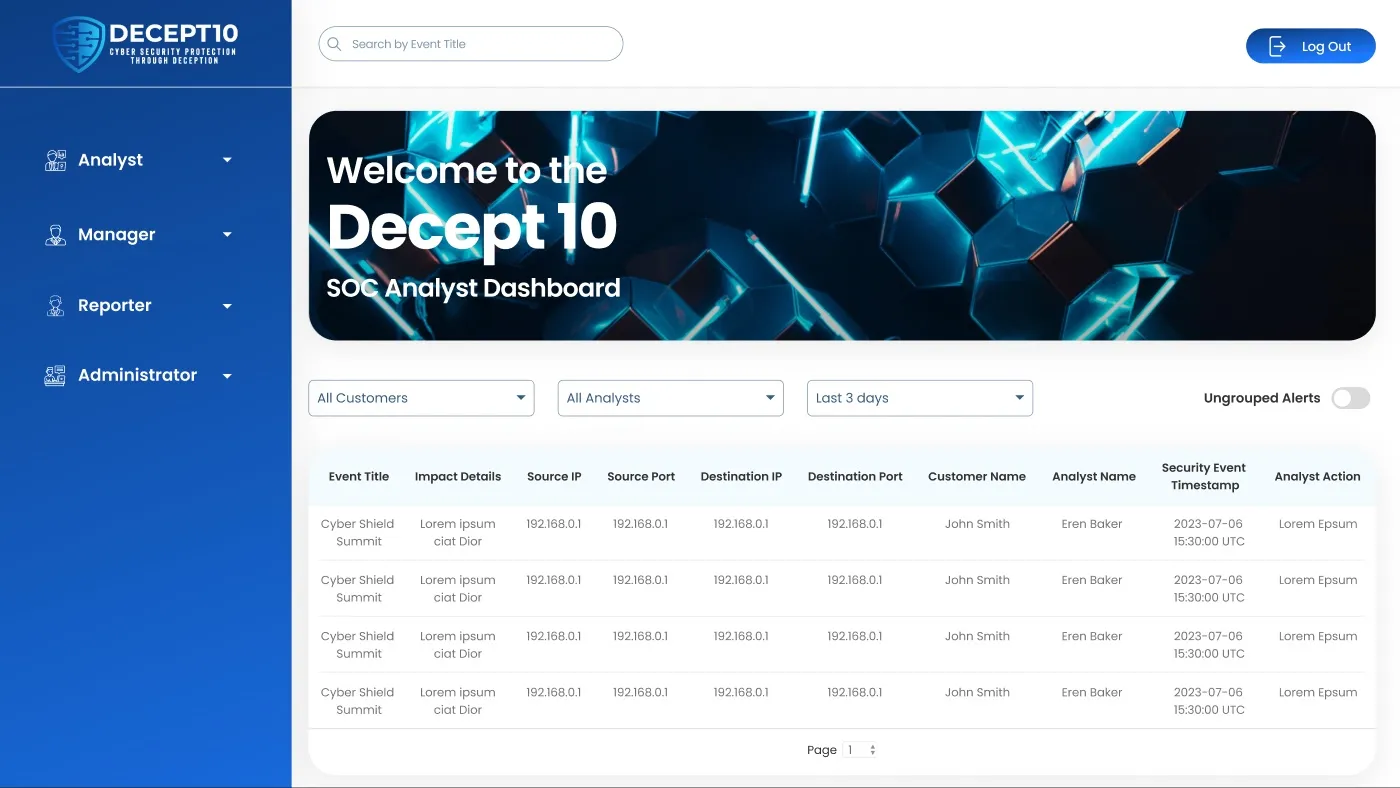
A SOC analyst dashboard for cyber security protection through deception — real-time alert triage, customer and analyst management, and role-based incident workflows.
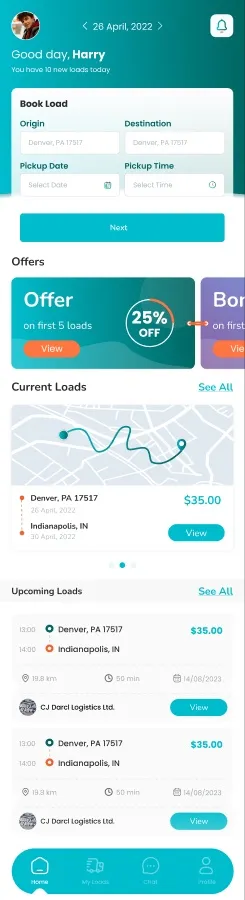
A logistics marketplace connecting shippers and businesses with reliable, secure cargo carriers — real-time booking, tracking, and carrier discovery.
Real Feedback From Real Clients
Not insurance clients specifically — we're showing real feedback about how we build software, not a claim of insurance-sector history we don't have yet.
“FreshHook wouldn’t exist without Apptechies’s innovative approach to perishable goods delivery. They built a platform that handles our delivery promise with real-time GPS tracking and smart inventory management.”
AI That Assists a Reviewer, Not One That Replaces Them
An automated model can speed up the parts of claims and underwriting review that are genuinely repetitive. It should never be the system of record for a decision that carries legal or financial consequence.
Damage Triage, Not Damage Approval
Computer vision on submitted photos flags likely severity and probable affected parts to help an adjuster prioritize their queue. Learn more
Document Classification & Extraction
Incoming forms and correspondence are classified and key fields extracted automatically, routed to the right queue for review.
Fraud Signal Flagging
Pattern-based anomaly detection flags claims for an investigator to look at closer. It does not deny a claim on its own. Learn more
Known Limitations, Stated Plainly
Every model has a false-positive and false-negative rate. We build a review step and an escalation path for both, not just the happy path.

A Realistic Development Timeline
We run every insurance build through the same structured process as the rest of our work — described in full on our How We Work page.
Discovery & Strategy
Mapping your product lines, existing systems, and regulatory footprint before scoping a single feature.

Connecting to the Systems Insurance Already Runs On
An insurance platform rarely replaces everything at once. We build the connective layer between a new app and the systems your business already depends on.
Policy & Claims Core Integration
API layers and event-driven connectors to systems like Guidewire, Duck Creek, and Majesco, so a new app extends your core rather than duplicating it.
Broker & Agency Management Systems
Two-way sync with the agency management systems your distribution partners already use.
Telematics & IoT Data Ingestion
Pipelines for driving-behavior and connected-device data that feed usage-based pricing models, built to your actual data volume.
Compliance-Ready Data Handling
Data residency, access control, and audit logging scoped to the state and jurisdiction your policies are actually written in.
Proven, Production-Grade Technology

Building a Quoting App or Broker Portal? We Can Scope It With You.
Instant quoting, policy issuance, and broker commission tracking, connected to the core system you already run, not a standalone tool that creates a second source of truth.
Latest From Our Blog

The Role of Chatbots in Insurance: What They Do and Don't Do
How to Choose an AI Model for Production
Cost to Hire AI Developers in 2026
Related Services & Ways to Work With Us
AI Consulting Services
Assess whether a proposed AI use case has suitable data and a clear evaluation plan first.
Learn moreMachine Learning Development
Fraud-signal and risk-scoring models trained on your own claims history.
Learn moreComputer Vision Development
Damage-assessment and document-image models for claims triage.
Learn moreSoftware Integration Services
Connect a new app to Guidewire, Duck Creek, or your existing core.
Learn moreCustom API Development
Quote-and-bind and broker-facing APIs built for your partners.
Learn moreData Analytics Services
Turn policy, claims, and telematics data into reporting your team can act on.
Learn moreCloud Security Services
Infrastructure hardened for regulated policyholder data.
Learn moreQuality Assurance
Testing that covers real claims and underwriting edge cases, not just the happy path.
Learn moreDevOps Services
Deployment checks, monitoring, and recovery procedures for production releases.
Learn moreCustom Software Development
Purpose-built platforms when an off-the-shelf core cannot support your workflow.
Learn moreEnterprise Software Development
Multi-line, multi-region platforms built to scale with your book of business.
Learn moreHire Software Developers
Add dedicated engineering capacity to your existing team.
Learn moreQuestions About Insurance Software Development
Answers to the questions carriers, MGAs, and InsurTech founders ask us most, and a direct line to our team if you don't see yours.
Policy administration systems, claims workflow platforms, underwriting support tools, broker and agent portals, and policyholder-facing apps. Most engagements are one or two of these connected to a system you already run, not a full core replacement.
Yes. We build API layers and event-driven connectors that extend systems like Guidewire and Duck Creek rather than replace them. See software integration services for how we scope that work.
Computer vision and document-classification models can flag likely severity and route a claim to the right reviewer faster. They do not approve, deny, or settle a claim. That decision, and the payment itself, stays with your adjusters and your existing payment or core system.
A focused broker portal or policyholder MVP typically runs in the low tens of thousands to around $100,000, while a full policy administration or claims platform with core-system integration usually runs from $150,000 into the high six figures, depending on integration and compliance scope. We can give you a scoped estimate after a discovery call, not a generic range.
A focused MVP, such as a quoting app or a broker portal, typically takes 12 to 18 weeks. A full policy administration or claims platform with multiple integrations usually runs 6 to 10 months.
Yes. Most engagements start by building an API layer around an existing core system so new features can ship without a risky full-system cutover. See custom software development services for how we scope a modernization versus a full replacement.
Encryption at rest and in transit, role-based access control, and audit logging on every claim and policy change are standard. Apptechies holds ISO 27001 certification for information security management; regulatory approval for your specific product and state still depends on your own compliance program, which we support with documentation, not a certification we issue on your behalf.
Yes. Full IP assignment is standard on every engagement. You own the code, data, and infrastructure outright, with a defined offboarding process if you ever move to a different team.
Yes. We offer ongoing maintenance, monitoring, and iteration after launch, scoped separately from the build itself so you know what continued support actually costs.
Which policy lines and states or countries you operate in, what your current policy/claims core is, roughly how many policies or claims you process, and who the primary users are (policyholders, brokers, adjusters, underwriters). We turn that into a scoped estimate on a discovery call.
Yes. Broker and agent portals are one of our six core service areas above, covering instant quoting, commission tracking, and client document sharing.
Yes. We build quote-and-bind APIs that let a partner platform (a travel site, a car marketplace, a fintech app) offer insurance inside their own product rather than sending the customer elsewhere.
For most first insurance builds, we recommend a focused MVP that proves the core workflow, such as claims intake or broker quoting, with real users before expanding into the full platform. If you already manage delivery internally, you can also hire software developers to add capacity to that MVP phase specifically.
Yes. We build data pipelines that ingest driving-behavior or connected-device data at the volume your product actually generates, feeding it into the pricing model your actuarial team defines.
Start Your Insurance Software Project
Tell us about your policy, claims, or broker platform idea. We'll respond within 24 hours with real next steps, not a sales script.